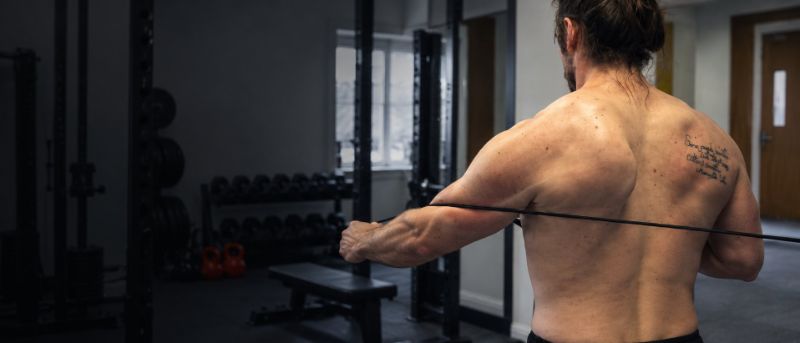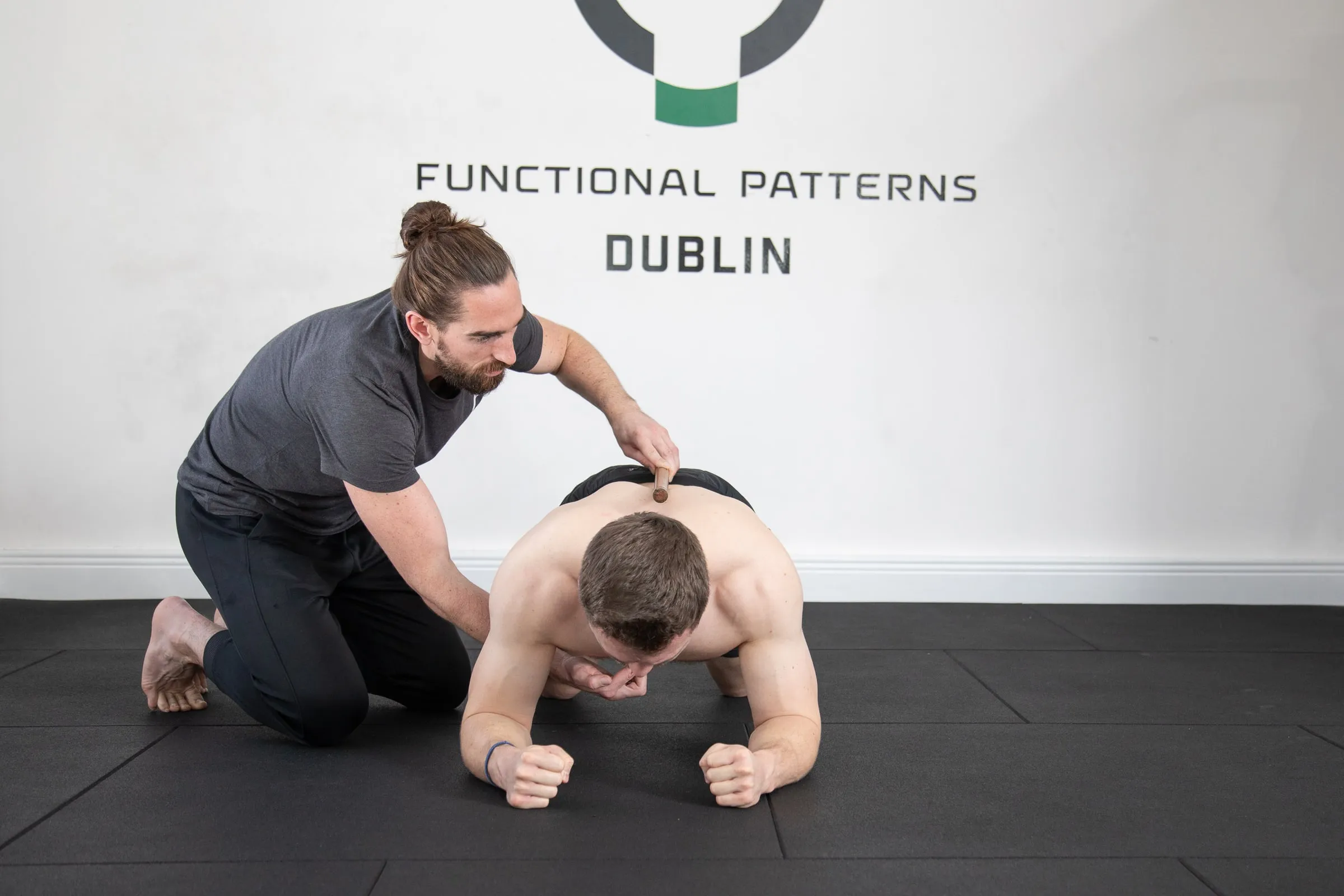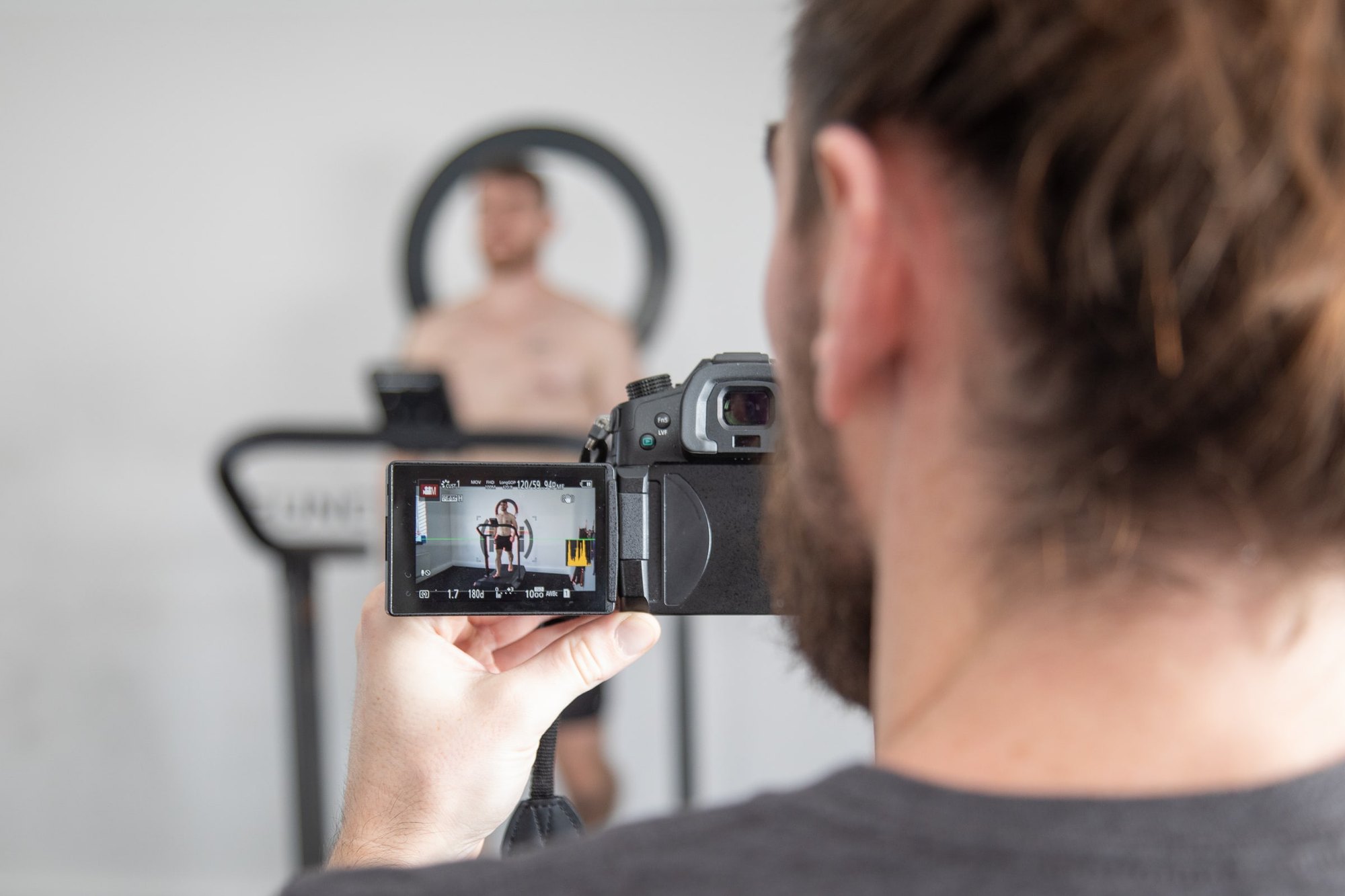
Video gait analysis is the process of recording a slow-motion video of someone walking or running. We do this because it gives us crucial information about how somebody moves. Clients often tell us they have pain while walking or running, but that when they’ve gone looking for help, nobody has looked at how they actually do these activities. The answer to these movement issues often stems from how we do these basic activities. Even when pain isn’t present, it makes sense to optimise these functions, and getting a baseline starting point is really important.
What Happens During a Video Gait Analysis?
We film you walking, and running if it’s relevant to you, in slow motion from the front, back and side. It’s done in bare feet, so we can see exactly how your feet and the rest of your body work together. We then go through the footage with you, frame by frame, so you can see what we see.
What We Look For
We start with your spine: how it rotates, bends and transfers force with each step, because that shapes how everything else moves. From there we look at how your pelvis, ribcage and arms work around it, and how that flows down into your knees and feet. Small patterns, like one hip dropping, the ribcage twisting more one way, or one arm swinging less, often explain why pain keeps showing up in the same place.
Why Gait Mechanics Matter
For some reason, it’s not normal to prioritise this type of assessment in the health and fitness industry. We’re more focused on measures like weight, body fat percentage, or how much weight can be lifted during an exercise. However, walking and running are so fundamental to being human that assessing them should be the logical starting point, not only for pain but for function as well.
We understand the importance of good gait mechanics in some situations but not others. Thoroughbred horses are bought for millions based on how they walk around a parade ring, and show dogs are graded on how their movement stacks up against each other.
A Baseline Starting Point
Imagine preparing to start a new diet in order to lose weight, but having no idea what your starting weight is, or no way of monitoring your weight throughout the process? If an exercise regime is to help improve your health and movement in an objective way, we need a key data point to work from. For us, this key piece of data is the way somebody walks and runs. We measure this in our initial meeting and continuously throughout the training process to see the impact of our training. It allows us to make adjustments as needed, and make sure that we are doing everything we can to get to the root issue.
Who It Helps
- Runners who keep getting the same injuries
- Anyone with knee, hip, back or foot pain that comes on when walking
- People who feel uneven or “off” when they move
- Anyone starting a training programme who wants an objective starting point
Frequently Asked Questions
Can gait analysis help with back pain?
Often, yes. Lower back pain that comes on when walking is frequently linked to how the pelvis and spine are moving, which gait analysis shows clearly.
How often should it be repeated?
We re-film clients regularly throughout training, usually every couple of months, so we can see what’s changing.
Is it the same as a running shop gait analysis?
No. Shop analysis usually focuses on your feet to recommend shoes. Ours looks at the whole body, starting with the spine.
You can read more about our gait and posture analysis, see how Lorna got back to running and John’s knee pain case study, or read why your knee might hurt when you walk. We see clients from across Dublin and beyond at our clinic in Donabate, just 10 minutes from Dublin Airport.