Where It All Started
Before I started Functional Patterns I struggled with significant shoulder pain, scapular winging, and scapular instability.
Something as simple as a pressing motion was extremely difficult to coordinate. My shoulder blade seemed to move independently of the rest of my body, and I constantly experienced tightness through my neck, upper traps and surrounding muscles.
I was also dealing with rotator cuff tendinopathy that was really painful especially after training. Often times, I would lie in bed with a pulsing sensation deep in my shoulder that would keep me awake.
At the time, I was working as a personal trainer and physiotherapist, and despite all of the experience I had, I just couldn't get to the root of the problem. I was struggling to understand why my shoulder wasn't functioning as it should.
I now understand that it wasn't a lack of strength in a certain muscle, or a lack mobility in a certain joint, but a global coordination issue that I was dealing with.
What My Shoulder Used To Look Like
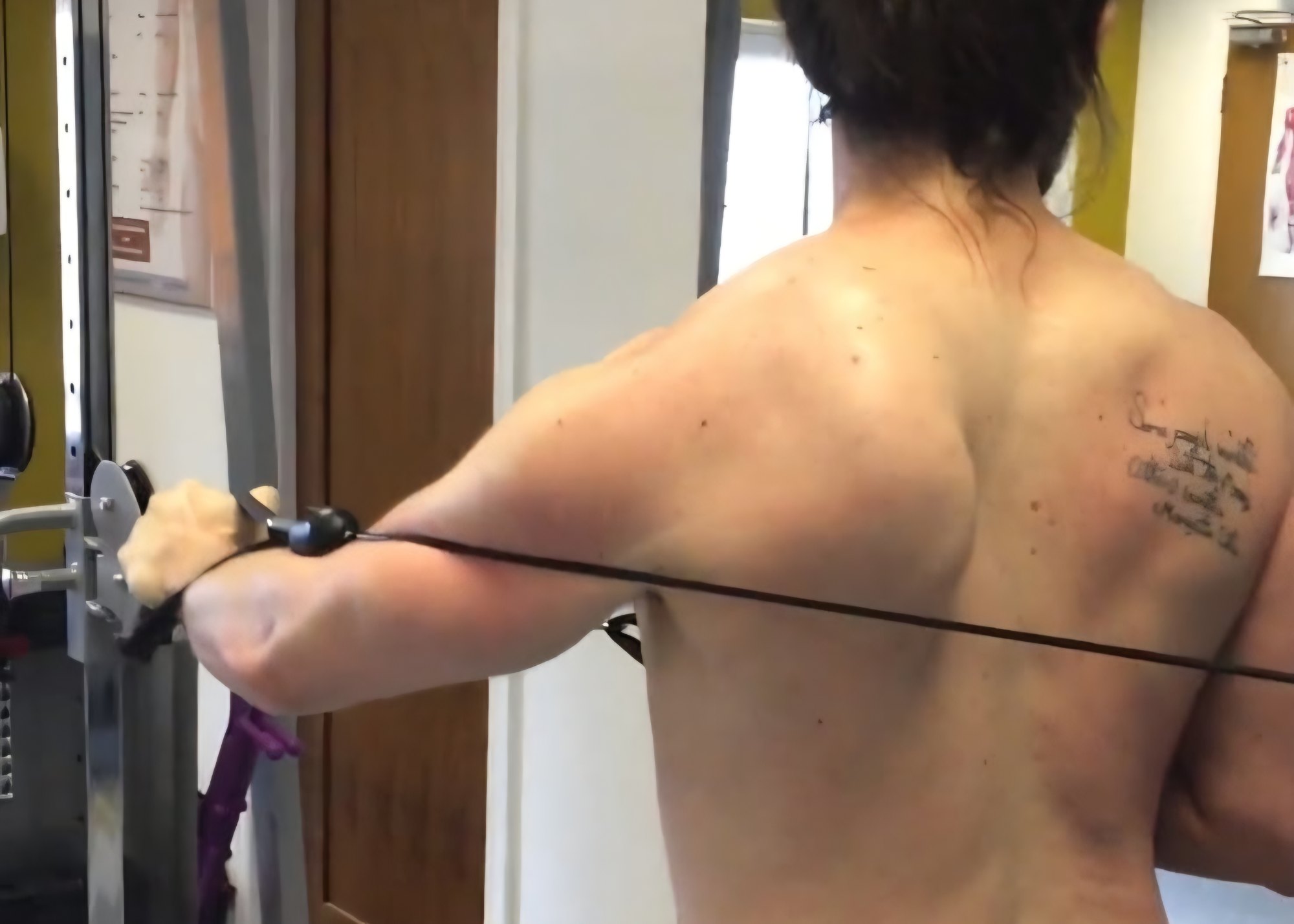
The image here was taken around the time I started Functional Patterns.
You can see the pronounced winging of my scapula as I attempt a pressing motion, something that seems quite simple, but that a lot of people struggle with.
What isn't visible is the discomfort that I was in and how I felt. Constant tightness through my neck, pecs and lats, the instability in my shoulder and the frustration of feeling like I had no solution.
Discovering Functional Patterns
Thankfully around this time I came across Functional Patterns, and it totally changed the way I thought about movement. Rather than looking at my shoulder as an isolated problem, I began looking at how it interacted with the rest of my body.
The relationship between my scapula, rib cage, spine and arms became an important part of my training. I started to understand how improving the coordination of these structures could change the way I moved and distributed forces through my body.
It wasn't an overnight transformation. It took consistent work, practice and a willingness to rethink much of what I had been taught about exercise.
Where I Am Today
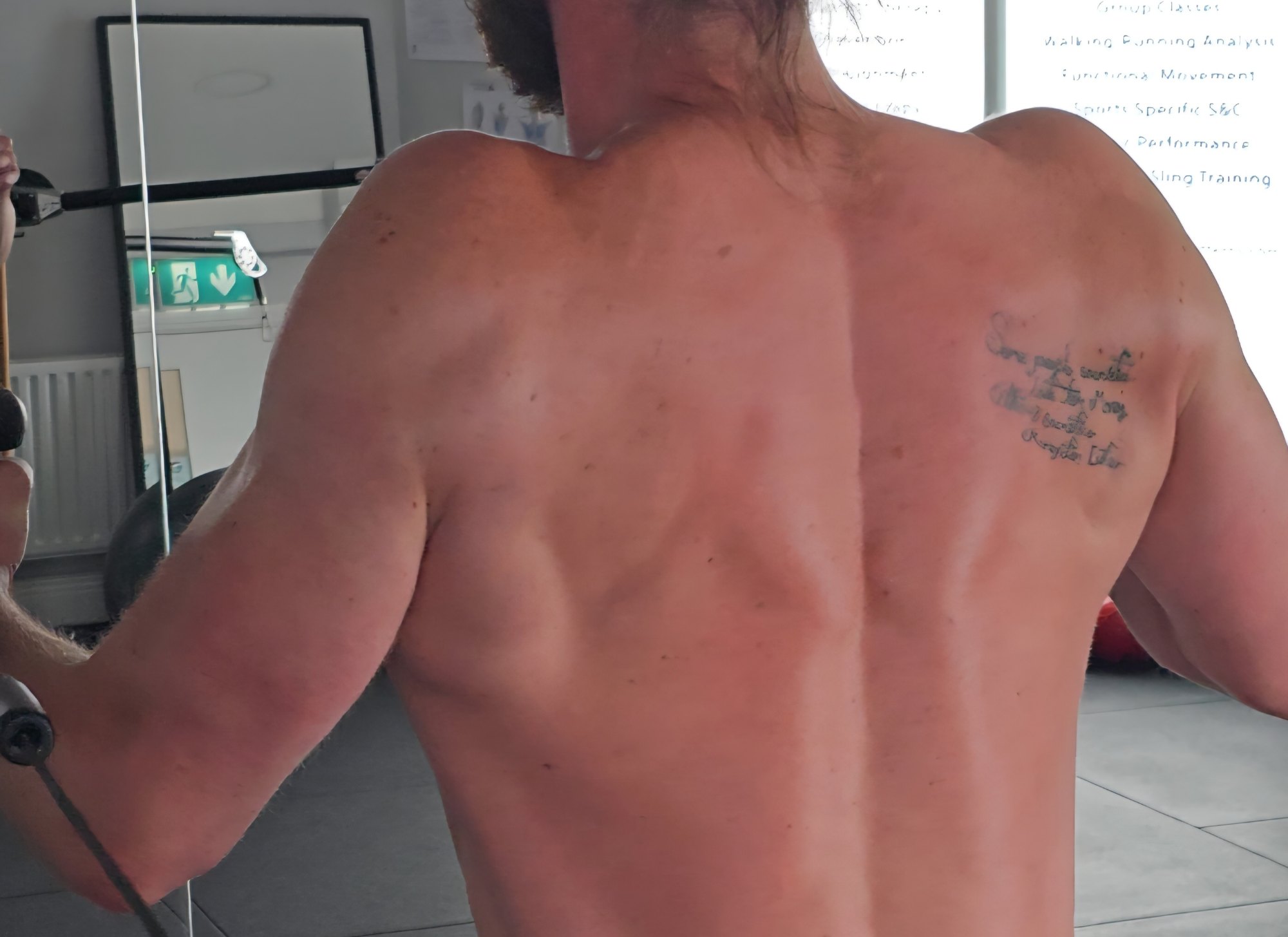
Fast forward to today, and my shoulder feels completely different.
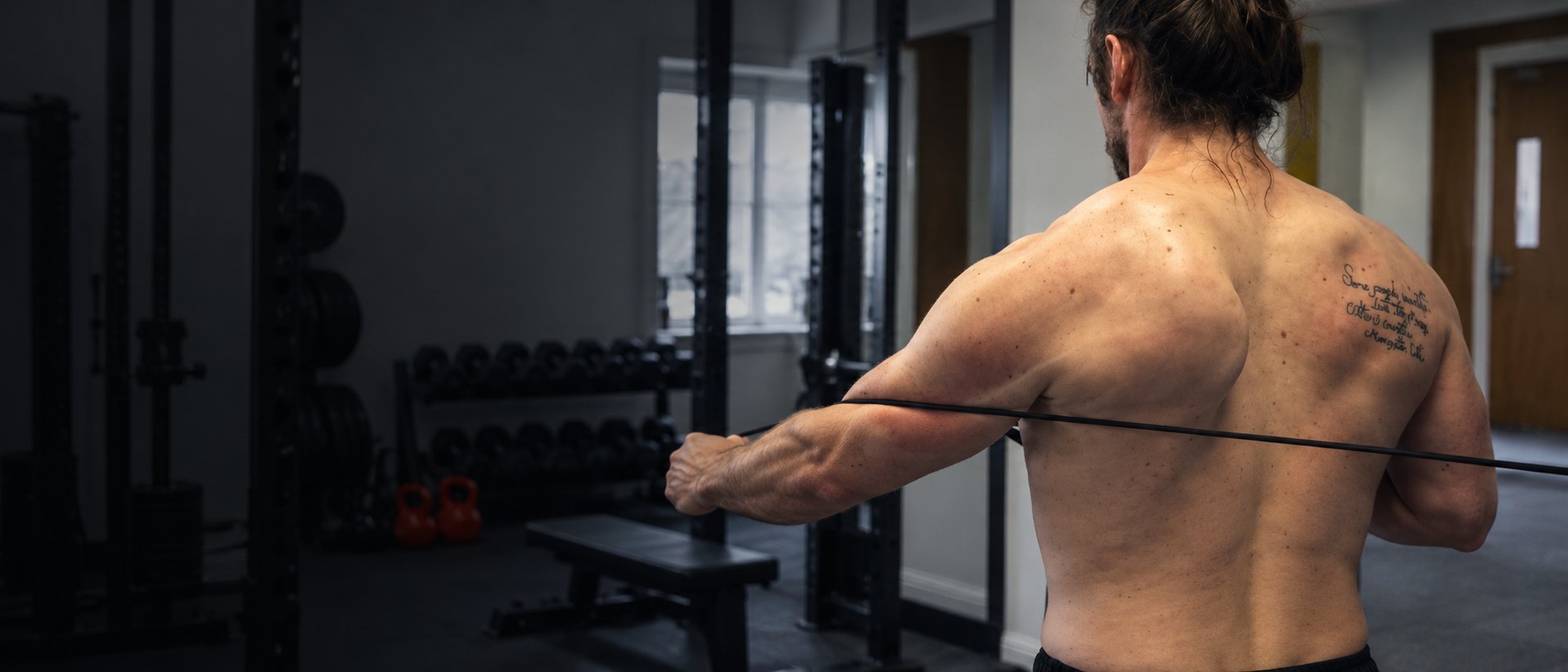
I have a much better understanding of how to coordinate my scapula with my rib cage and arms, particularly during movements that previously caused discomfort.
My shoulder movement is noticeably more controlled, and I no longer experience the pain that used to be a regular part of my training.
The difference between these images represents years of learning and refining how I move. It's also one of the biggest reasons I'm passionate about the work we do at Functional Patterns Dublin.
Why I'm Sharing This
Many of us who work in Functional Patterns originally discovered the methodology because we were dealing with problems in our own bodies.
My experience with shoulder pain and scapular instability was a major part of what led me down this path.
Today, as a Chartered Physiotherapist and Functional Patterns practitioner, I bring that personal experience into my work with clients.
Shoulder pain and instability can have many different causes, and everyone's situation is different. But my experience taught me the value of looking beyond the painful area and understanding how the body coordinates movement as a whole.
If you're experiencing shoulder pain, feelings of instability or difficulty coordinating your movements, get in touch with Functional Patterns Dublin to discuss whether an assessment could help.