Scoliosis can present very differently from one person to another. For some people it may cause very few issues, while for others it can be associated with pain, limitations in movement or difficulty doing the activities they enjoy.
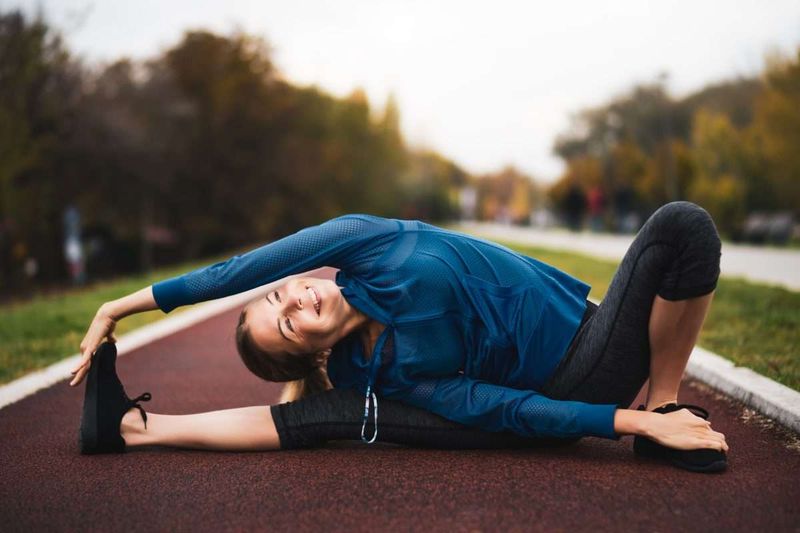
When Emanuela first came to Functional Patterns Dublin, one of her main issues was persistent hip pain that had begun to stop her from running. She had been diagnosed with scoliosis when she was younger, and an MRI she received on her hip had showed that the curvature of her scoliosis had increased.
She had previously tried a more traditional physiotherapy approach, but despite consistently working on the exercises she had been given, she wasn’t seeing the changes she had hoped for. She thought she may end up needing steroid injections to manage the pain if things didn’t improve.
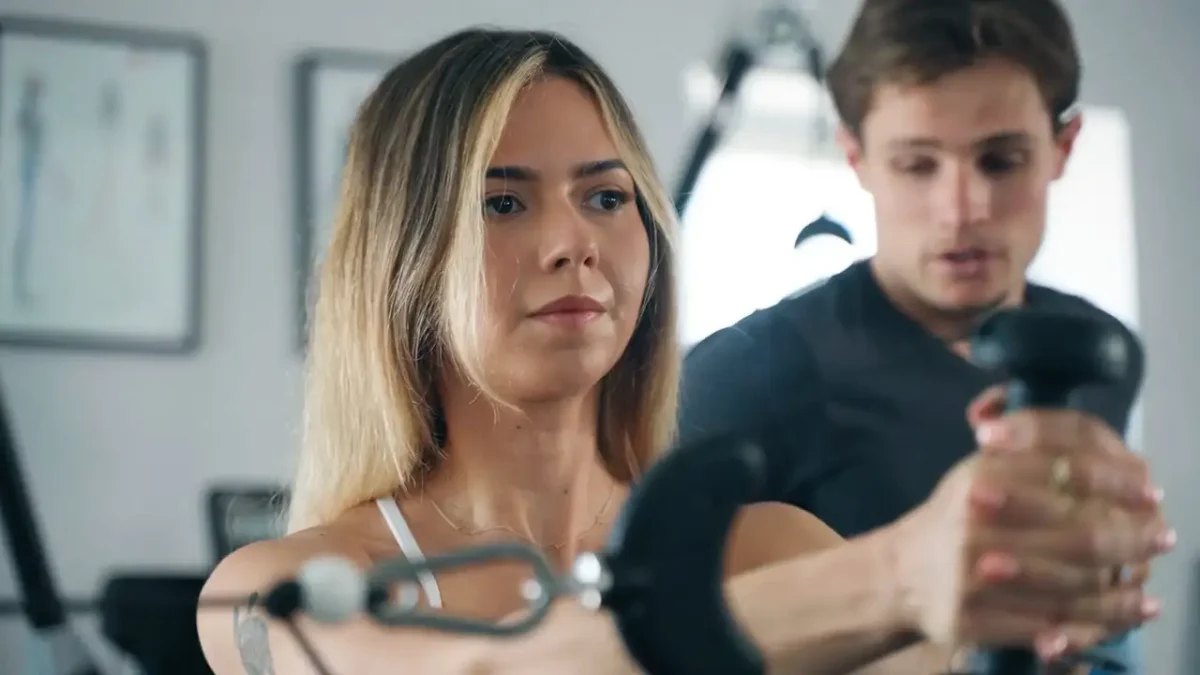
In the video below, Emanuela talks about her experience, what brought her to Functional Patterns and the progress she has made since beginning to train with us.
Scoliosis, Hip Pain and Movement
When someone has scoliosis, it’s easy to focus solely on the curvature of the spine. The curvature itself can also be reinforced through faulty movement, and the way someone moves is influenced by much more than one area of the body.
The relationship between the ribcage, pelvis and hips, as well as how somebody walks, runs and manages force through their body, can all be important factors.
This is why we don’t approach every person with scoliosis in the same way.
When the Same Exercises Aren’t Getting Results
One of the things Emanuela discusses in her testimonial is her previous experience with physiotherapy. She had been diligent with her rehabilitation but felt that she was repeatedly doing the same exercises without seeing meaningful improvement.
This doesn’t mean that those exercises are inherently wrong. However, when someone isn’t progressing, we believe it’s important to reassess rather than simply continuing with the same approach.
At Functional Patterns Dublin, we look at how the individual is moving and try to identify areas that may be contributing to their symptoms or limitations.
Our Approach to Scoliosis and Hip Pain
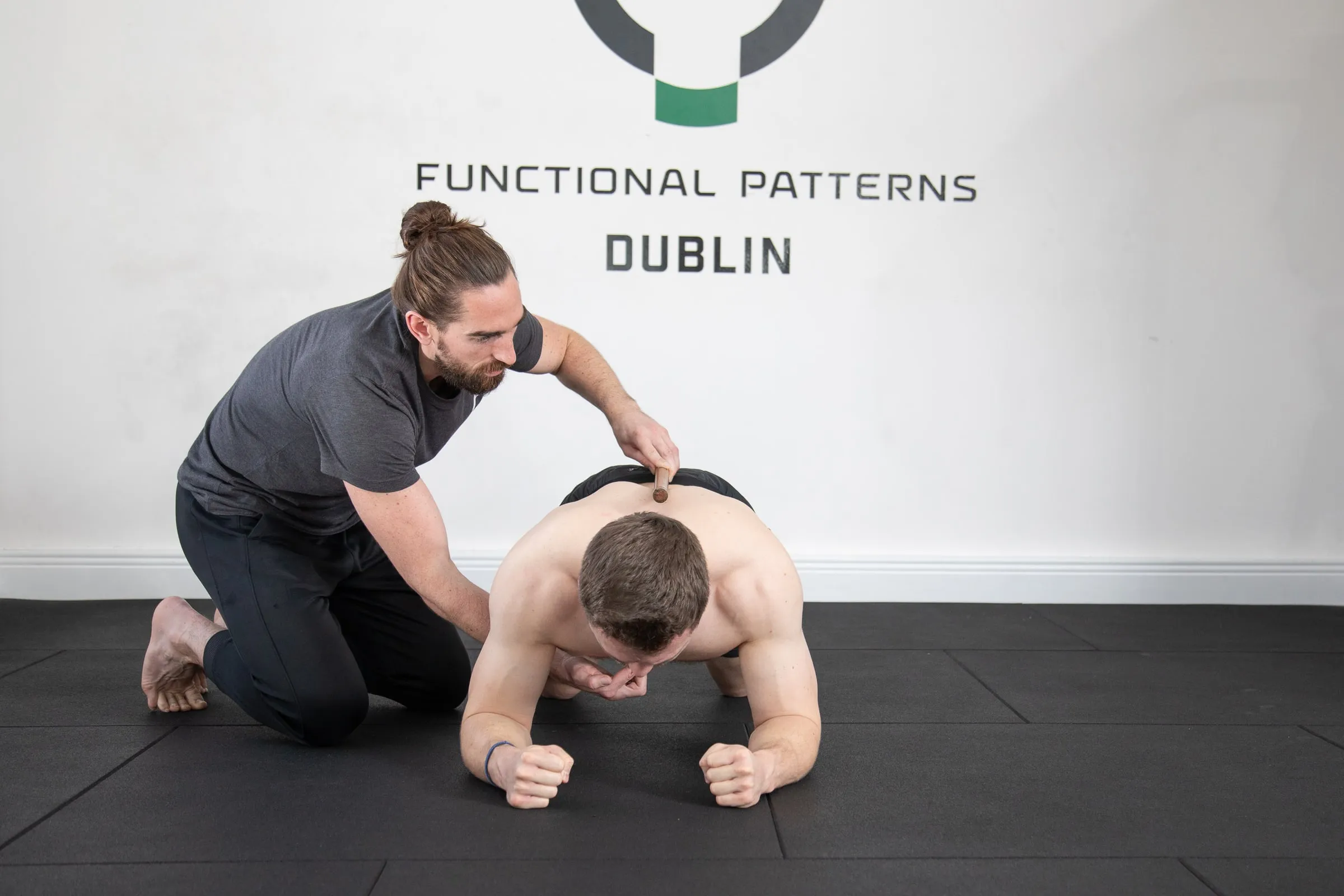
Our process starts with an individual assessment.
Rather than treating scoliosis or hip pain as isolated problems, we assess posture and movement across the body and look at how the person functions during activities such as standing, walking and other relevant movements.
From there, training is individualised around what we find in the assessment and how the person responds over time.
For Emanuela, the most important outcome is not simply what her scoliosis looks like on paper. It’s that she has been able to make meaningful changes in how she moves and feels, including getting back to running.
Her experience is individual, and results will naturally vary from person to person, but her story is a good example of why persistent problems sometimes warrant looking at things from a different perspective.
Looking for Help With Scoliosis or Persistent Hip Pain in Dublin?
If you have scoliosis, persistent hip pain or another movement related problem that hasn’t responded as you hoped to previous treatment, an assessment can help us understand your individual situation and determine whether our approach may be suitable for you.
You can learn more about our initial assessment process or get in touch with Functional Patterns Dublin to discuss your situation.