“Movement is medicine” is often oversimplified. In this blog, learn why the quality of your movement matters much more than just staying active, and how poor movement can reinforce pain rather than resolve it.
The expression movement is medicine is one of the most widely accepted and used terms in health and fitness today. Doctor’s, therapists, and trainers all over the world can be heard saying this when trying to encourage people to move more and increase the amount of exercise they do. The issue we feel, is that too much focus is being put on moving more, and not enough on moving better.
In order for all movement to be medicine, there’s an implication that all types of movement are equal and are equally beneficial for us. We will give some examples later that can better illustrate why this is impossible, but for now let’s examine the current movement culture and the ideas that it promotes.
Move More, or Move Better?
When it comes to training, there has always been a mantra of more is better. For years, the markers of fitness have been simple: lift more weight, run further, and endure more. Somewhere in the last decade CrossFit arrived on the scene, and more recently things like Hyrox and classes like F45 and Barry’s have taken the world by storm.
In the pursuit of personal bests and in the name of fitness, people are often left with pain and injury due to the fact that putting more miles on the clock may just mean compounding existing issues and imbalances in the body. Rarely do we see the focus put onto moving better in an objective, quantifiable way.
Physio and rehab can patch them up and get them back to the activities that were causing problems in the first place, but the elephant in the room still exists. A lot of the things that people do actually negatively effect the way they move over time, especially if the only focus is moving more.
Movement is Medicine – Until it isn’t
So what happens when you continue to ignore the warning signs your body is sending you? Niggles start to appear, and slowly develop into more serious injuries that can keep you out of your favorite activities for a while, or maybe even indefinitely if you are unlucky enough. Then comes the cycle, physio, then rehab, then back to training, and finally, back to being injured.
Now before you start to think this blog is all doom and gloom and fear mongering, now is a good time to say that we are absolutely not against people doing activities that they love. The point being made here is that we need to set the bar higher in terms of what movement we consider medicinal. Obviously exercising is a great way to improve cardiovascular fitness and muscular endurance. Not only that, but it can be a great outlet for people’s mental health.
However, if it get’s to the stage where we are constantly living with pain and discomfort is it really worth it?
Food is Medicine
To help illustrate our points above, let’s switch for a second to something else and apply the same logic. Imagine doctors and dieticians simply telling people that food is medicine. Just consume more food and you will surely get the nutritional benefits from some it. All food is created equally and is equally nourishing for your body.
Obviously we know this is impossible. Not all calories are created equally, and eating too much of the wrong things can certainly increase the risk of developing food related diseases like obesity, diabetes, high cholesterol, and increased blood pressure. With our diet, we keep on top of these things by monitoring our weight and doing blood work to see what our markers are like.
Some people count calories, or in extreme cases weigh out everything that they eat. Restaurants that give details of exact macronutrients in their dishes are becoming more and more popular with the current fitness boom, but what is the equivalent when it comes to movement? Thing’s like our Hyrox time or Vo2 max don’t actually give us an indicator of how our body is moving so what does?
How do We Measure Movement? Posture and Gait
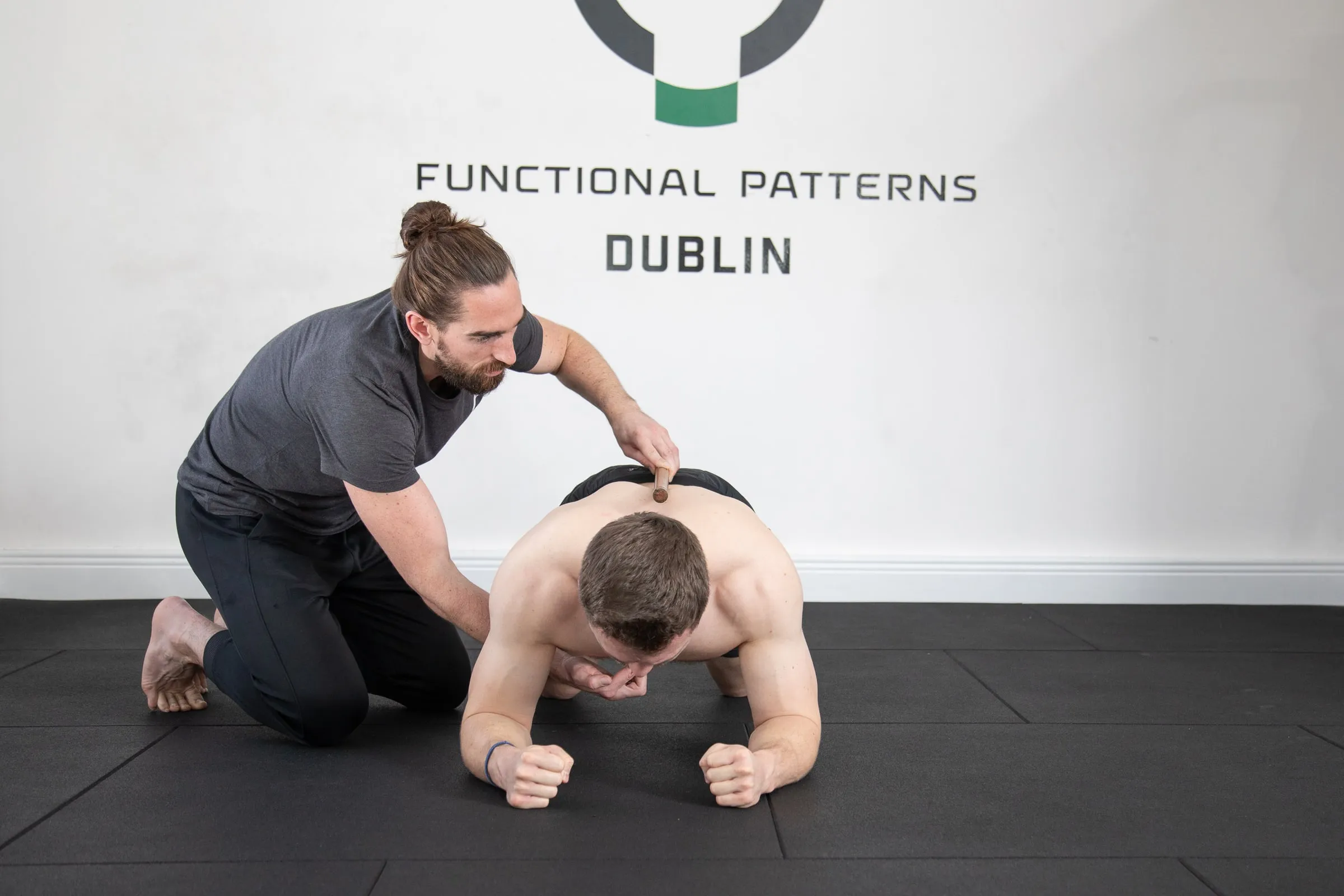
At Functional Patterns, our main priority during our initial assessment is to thoroughly asses someone’s posture and gait. This gives us an objective starting point to work from, and much like someone’s bloodwork and weight can inform nutritional and dietary interventions, this information helps guide us as we use exercise to truly improve someone’s movement.
Really it’s simple, exercise is either improving these things or it’s not. It either creates more balance and symmetry in the body or does the opposite. How much of it you do will either help you to correct imbalances, or create more of them. Left up to chance, it almost always makes things worse not better.
Again, we are not saying fear exercise, we are simply promoting the idea that we need to set the bar higher and use the correct metrics for success long term. Some measures are more useful than others, and based on the fact that humans were built to stand, walk, run, and throw, gait and posture must be the center point for which we judge if movement is truly medicinal or not.
If this is information you feel like you are missing, you are struggling to understand why your body feels the way it does, or you are simply curious about how you move, get in touch with us today and let us pull you out of the weeds. Start to train intentionally not habitually.